Omaera ...: Watashi Ga Motenai No Wa Dou Kangaetemo
Omaera ...: Watashi Ga Motenai No Wa Dou Kangaetemo
 |
With the
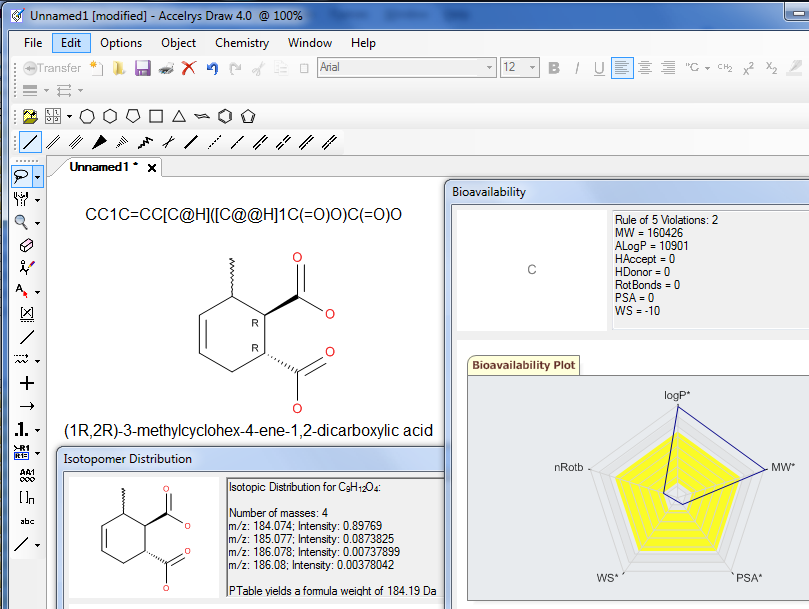
same look-and-feel as ISIS/Draw, Accelrys Draw delivers speed and
efficiency to your chemical drawing experience.
Accelrys Draw can easily swap out existing ISIS/Draw or ChemDraw applications. |
|
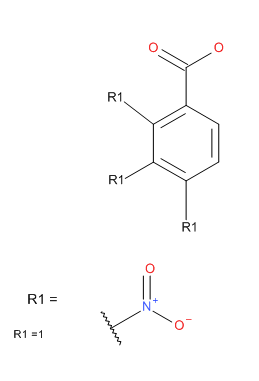
Omaera ...: Watashi Ga Motenai No Wa Dou KangaetemoClick here for more details about Rgroups, an example, and a detailed procedure how to draw a Markush query. To draw a Markush query:
|
|
|
| Generic Structure
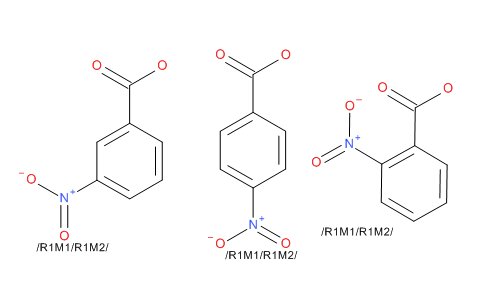
Enumerator The enumerator works against structures defined using the Rgroup tool in Accelrys Draw. In this mode you specify a scaffold with a number of Rgroup labels, then to add fragments to the Rgroup identifiers. The Add-in will calculate the complete set of structures that the Rgroups define. You can also define a generic region using the Sgroup tool. Draw the basic structure and using the Sgroup tool, drag a pair of brackets around a region that is repeated in the substance. From the dropdown select ‘generic’ for the bracket type, then select apply and exit from the dialog. Right click on one of the brackets and select the Attach Data option. In the dialog enter REPEATRANGE into the Field description box, and then enter the range in the Data box; leave the Search Operator set to none; the Tag field is optional. A contiguous range is required in the Data box, for example 3-6. A structure can contain both Rgroup definitions and Sgroup definitions, but they cannot overlap or be nested. You have the option to enumerate on to Accelrys Draw’s canvas, into an SDfile, or into an Isentris for Excel compatible spreadsheet. |
 |
|
Omaera ...: Watashi Ga Motenai No Wa Dou Kangaetemo“Watashi ga Motenai no wa Dou Kangaetemo Omaera …” is a thought-provoking and engaging series that offers a unique perspective on the high school experience. Through its exploration of themes such as social anxiety, isolation, and peer relationships, the show provides a relatable and authentic portrayal of adolescence. The show also explores the consequences of social media and the impact it has on teenagers’ self-esteem and mental health. Hidenori’s experiences serve as a commentary on the superficial nature of online relationships and the pressure to present a perfect facade. Watashi ga Motenai no wa Dou Kangaetemo Omaera ... The show also highlights the importance of supportive relationships and the role that positive friendships can play in mitigating the effects of social anxiety and isolation. Through Hidenori’s experiences, the series demonstrates that even small acts of kindness and understanding can have a profound impact on an individual’s well-being. “Watashi ga Motenai no wa Dou Kangaetemo Omaera The Unpopular Girl’s Dilemma: Exploring the Themes and Impact of “Watashi ga Motenai no wa Dou Kangaetemo Omaera …”** Hidenori’s experiences serve as a commentary on the The show’s portrayal of high school life is both humorous and poignant, making it a compelling watch for audiences of all ages. Through its thoughtful storytelling and well-developed characters, “Watashi ga Motenai no wa Dou Kangaetemo Omaera …” has become a beloved and respected series among fans of manga and anime. |
http://accelrys.com/products/informatics/cheminformatics/draw/add-ins.html | |
Chemical Drawing Programs – The Comparison of Accelrys (Accelrys) Draw, ChemDraw, DrawIt, ACD/ChemSketch and Chemistry 4-D DrawUniversity of Debrecen, POB 70, H-4010 Debrecen, Hungary, e-mail: Last major update : 1.11.2011 If you have any comment, do not hesitate to contact the author at the above adress. |
http://dragon.klte.hu/~gundat/rajzprogramok/dprog.html |