The title "Violet Myers - I Am Not Such A Nice Girl SD" functions as both a confession and a manifesto. In an era dominated by curated digital personas and the relentless pressure to perform kindness and agreeability, this statement cuts through the noise with raw, uncomfortable honesty. The essay explores the thematic weight of this declaration, examining the tension between societal expectation and authentic selfhood, the rejection of the "nice girl" archetype, and the ambiguous role of the "SD" (Standard Definition) suffix as a metaphor for unpolished, unfiltered reality. The Tyranny of the "Nice Girl" Historically, the archetype of the "nice girl" has been a cage. It demands self-sacrifice, perpetual agreeableness, and the suppression of anger, desire, and complexity. To be "nice" is often to be harmless, digestible, and controllable. When Violet Myers declares, "I Am Not Such A Nice Girl," she is not celebrating cruelty; rather, she is reclaiming the right to be difficult. She is asserting that a woman’s value does not lie in her ability to make others comfortable. This rejection is an act of defiance against a culture that punishes women for having sharp edges, strong opinions, or unapologetic ambition. The Confession as Power The phrasing "I am not such a" is particularly telling. The word "such" implies a specific, expected brand of niceness—the performative kind that is demanded but rarely genuine. By stepping outside of this category, Myers transforms a potential vulnerability (being seen as unkind) into a position of strength. The confession is not a plea for forgiveness but a declaration of boundaries. It suggests a past of pretending, of wearing the mask of the nice girl until it became suffocating. Now, the mask is removed, and what lies beneath is not necessarily monstrous, but simply real —complete with flaws, refusals, and the capacity for saying no. The Aesthetic of "SD": A Rejection of High Definition Hypocrisy The inclusion of "SD" (Standard Definition) is a fascinating postmodern layer. In a visual culture obsessed with 4K, HDR, and flawless rendering, "SD" represents the grainy, the low-resolution, the imperfect. It is the opposite of the airbrushed, filtered, and heavily produced image of the "influencer" or the "public figure." By appending "SD" to her confession, Myers suggests that her "not nice" self is not a high-definition spectacle. It is not designed for glamorous consumption. Instead, it is the raw, pixelated truth of a VHS tape or an old television broadcast—fuzzy, real, and resistant to hyper-stylization. The "SD" implies that authenticity is not crisp or beautiful; it is sometimes messy and low-fidelity. Conclusion: The Liberation of Unlikability Ultimately, "Violet Myers - I Am Not Such A Nice Girl SD" is a cultural artifact about liberation through unlikability. It challenges the viewer to sit with discomfort. It asks: Why does a woman declaring her own complexity feel like a threat? The essay posits that in rejecting the "nice girl" label, Myers is not becoming a villain; she is becoming a person. The "SD" reminds us that this personhood is not a polished performance. It is grainy, real, and defiantly out of focus from the expectations of a world that demands women be nothing more than high-definition pleasantries. In that low-resolution space, she finds her true, unapologetic self.
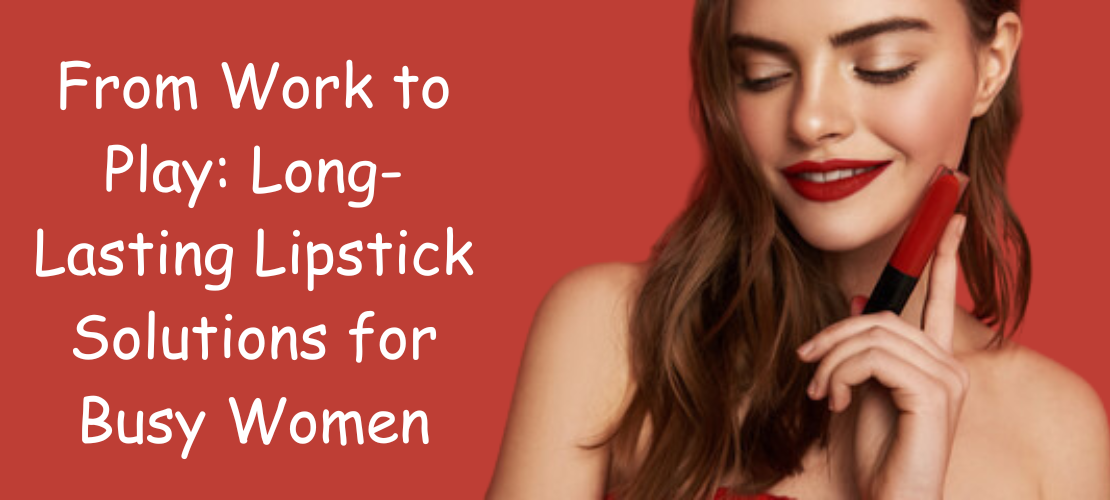
For many busy women, applying lipstick in the morning is a daily ritual that helps to boost ...
Read moreLiquid matte lipsticks are an essential beauty item in every makeup lover's arsenal. The...
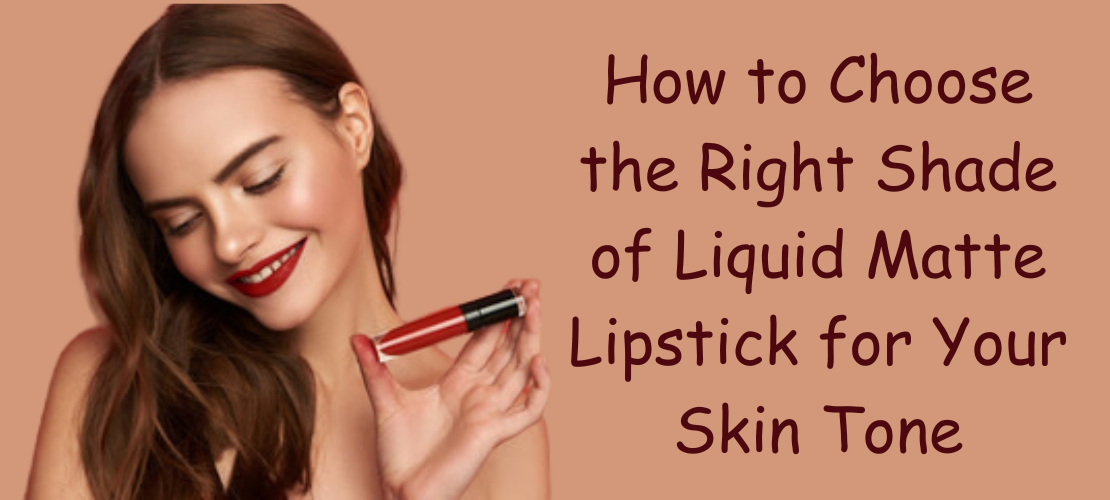
Read moreLiquid matte lipsticks have become a beauty staple in recent years, with their long-lasting ... Violet Myers - I Am Not Such A Nice Girl SD
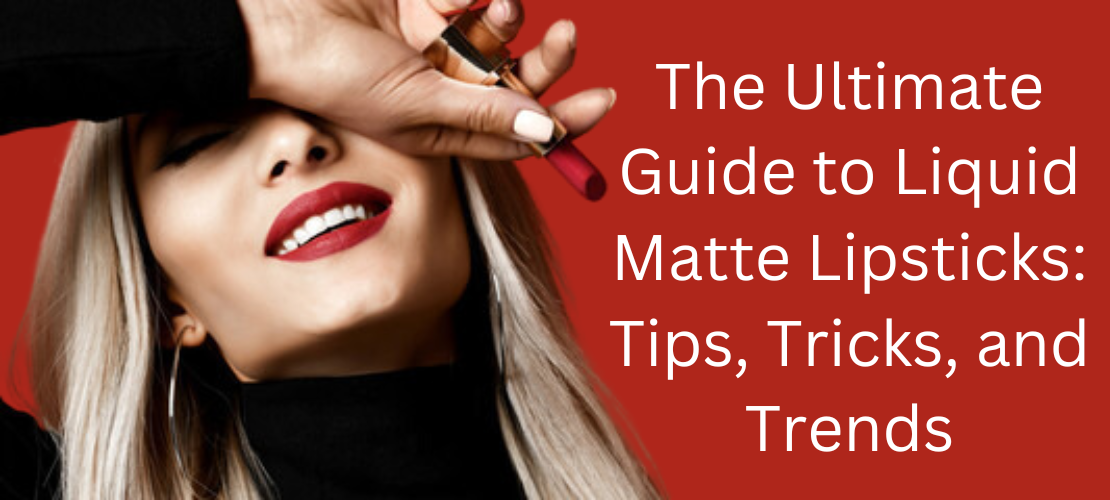
Read moreFor many people, lipstick is an essential part of their daily makeup routine. However, it ca...
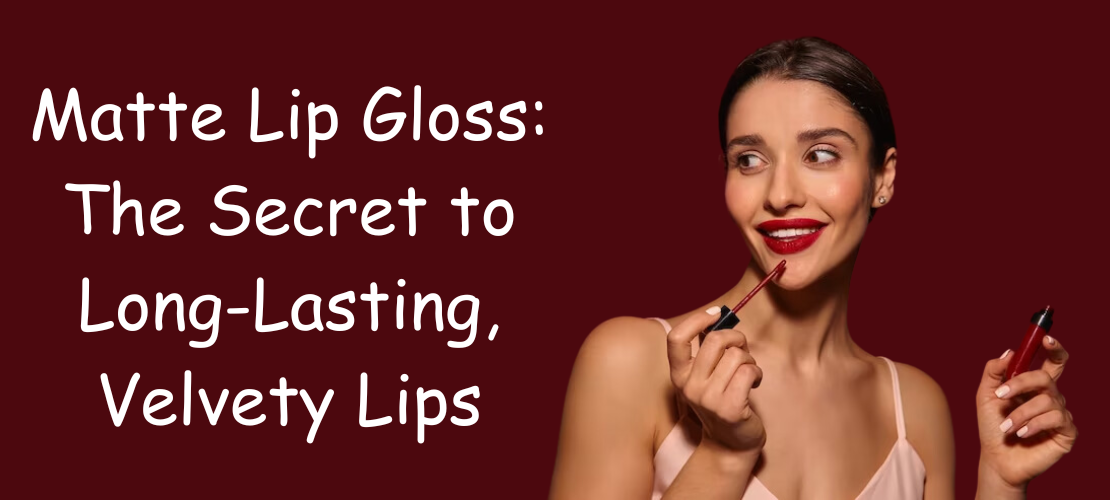
Read moreMatte lip gloss is a type of makeup that has been growing in popularity over the past few ye... The title "Violet Myers - I Am Not
Read moreLipstick is one of the most important items in a woman's makeup kit. It can transform a ...
Read moreLiquid matte lipsticks is a trend that has taken the beauty world by storm. It has beco... The Tyranny of the "Nice Girl" Historically, the
Read moreLiquid matte lipsticks are a staple in any makeup collection. They give you a bold and beaut...
Read moreHair care is an essential part of self-care, and we all desire lustrous and healthy-looking ...
Read moreHair care is an essential part of our daily routine, and finding the right products can be a...
Read more