Despite these challenges, fidelity remains an essential component of any healthy relationship, including those formed during adolescence. When teenagers commit to one another, they are making a promise to prioritize each other’s feelings, needs, and well-being. This commitment can provide a sense of security, stability, and trust, which are essential for emotional growth and development.
Teenage years are often marked by intense emotional ups and downs, as young people navigate the complexities of identity formation, peer pressure, and romantic relationships. During this period, teenagers are constantly seeking to assert their independence, explore their boundaries, and develop a sense of self. Romantic relationships can be a significant part of this journey, but they can also be fraught with challenges, including the risk of heartbreak, peer pressure, and the blurring of boundaries. Searching for- teen fidelity in-
In today’s fast-paced, digitally-driven world, the concept of fidelity, particularly among teenagers, has become a topic of increasing interest and debate. As social media continues to play a significant role in shaping the way teenagers interact and form relationships, the question of whether it’s possible to find teen fidelity in modern relationships has become a pressing concern for parents, educators, and relationship experts alike. Teenage years are often marked by intense emotional
Fidelity also helps teenagers develop essential life skills, such as communication, empathy, and conflict resolution. When teenagers work through challenges and disagreements in a committed relationship, they learn valuable lessons about compromise, forgiveness, and the importance of putting someone else’s needs before their own.
Despite these challenges, fidelity remains an essential component of any healthy relationship, including those formed during adolescence. When teenagers commit to one another, they are making a promise to prioritize each other’s feelings, needs, and well-being. This commitment can provide a sense of security, stability, and trust, which are essential for emotional growth and development.
Teenage years are often marked by intense emotional ups and downs, as young people navigate the complexities of identity formation, peer pressure, and romantic relationships. During this period, teenagers are constantly seeking to assert their independence, explore their boundaries, and develop a sense of self. Romantic relationships can be a significant part of this journey, but they can also be fraught with challenges, including the risk of heartbreak, peer pressure, and the blurring of boundaries.
In today’s fast-paced, digitally-driven world, the concept of fidelity, particularly among teenagers, has become a topic of increasing interest and debate. As social media continues to play a significant role in shaping the way teenagers interact and form relationships, the question of whether it’s possible to find teen fidelity in modern relationships has become a pressing concern for parents, educators, and relationship experts alike.
Searching for Teen Fidelity in Modern Relationships**
Fidelity also helps teenagers develop essential life skills, such as communication, empathy, and conflict resolution. When teenagers work through challenges and disagreements in a committed relationship, they learn valuable lessons about compromise, forgiveness, and the importance of putting someone else’s needs before their own.
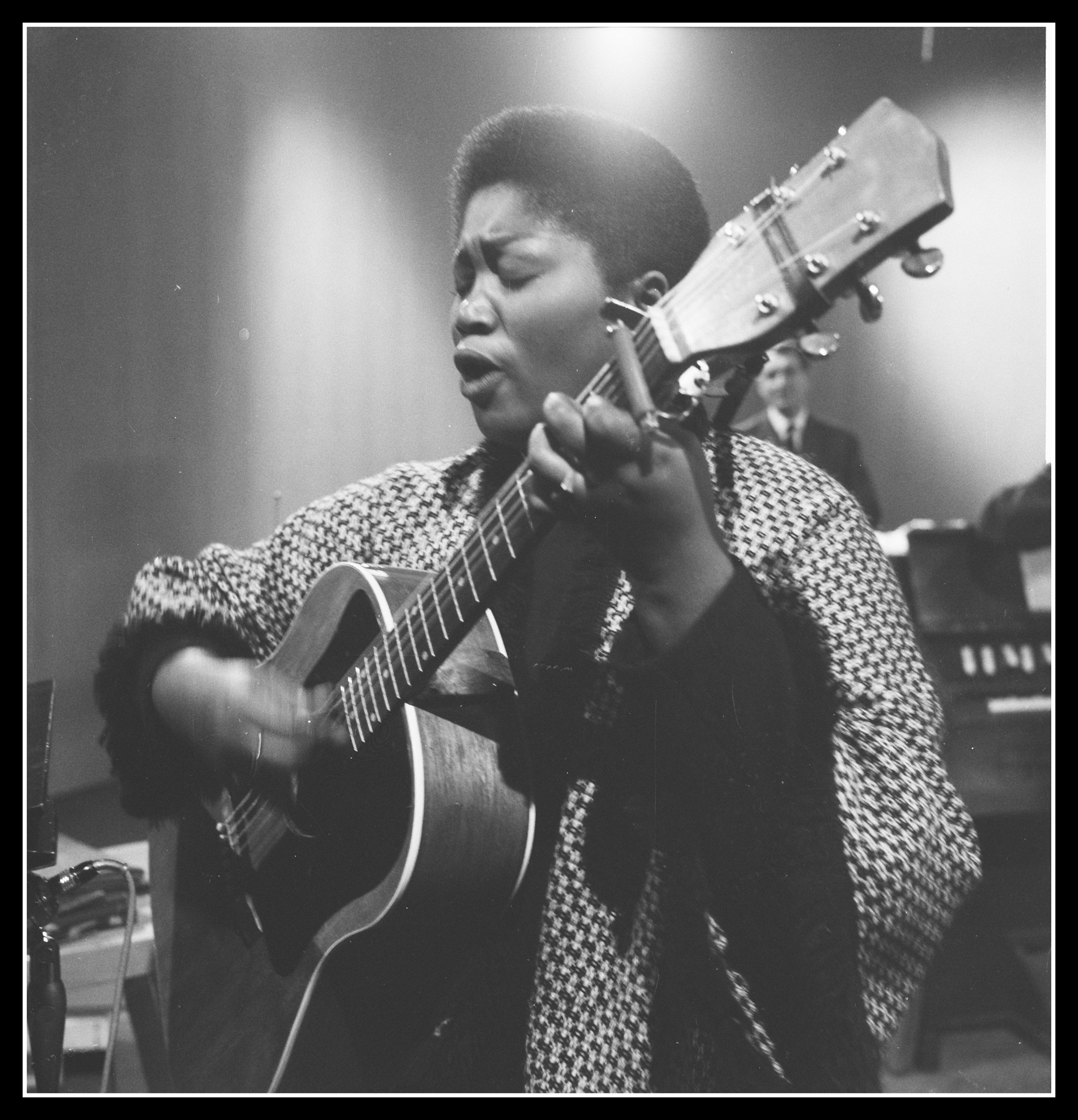
Odetta was one of the defining voices of American folk music. Though she had been trained in classical music, she was drawn to spirituals, work songs, traditional ballads, and blues. These songs told the stories of true life – of struggle and of those who overcame oppression. Odetta used her theater training and deep resonant voice to bring these messages to life. Her work inspired later artists like Bob Dylan and Joan Baez, served as a soundtrack for the social reforms of the 1960s, and led to her honorary title as “The Voice of the Civil Rights Movement” and “The Queen of Folk Music.
Anna Mary Moses spent the last twenty years of her life as a beloved and celebrated artist after a hobby became an occupation in the most astonishing way.
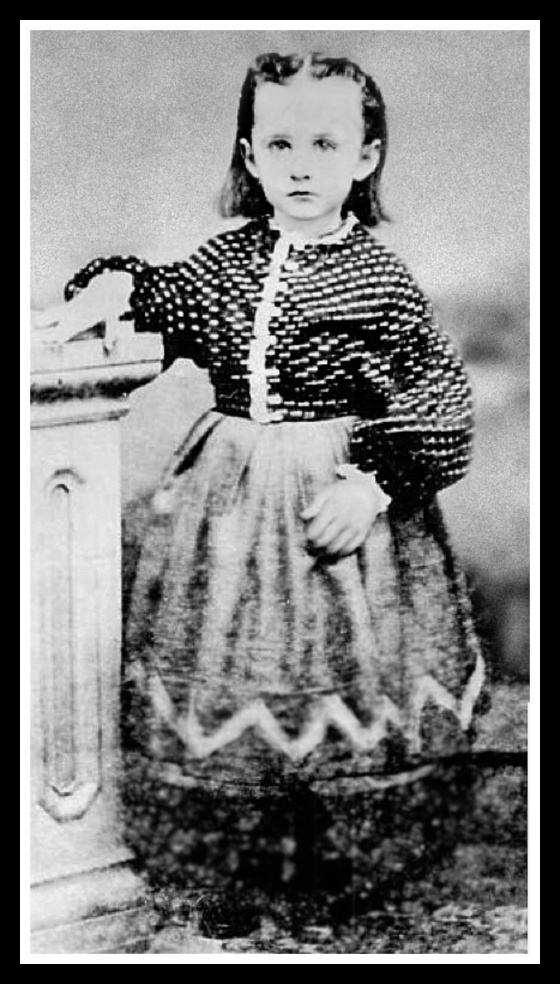
Anna Mary Moses was born when Abraham Lincoln was president and died when John Kennedy was; she lived through one Civil, and two World wars, and was one of the first women in the US to legally vote. Because her life was so full, she didn’t take up painting as her primary hobby until she was in her 70s, and was on a rocketship of world fame as a celebrated artist until she was in her 80s.