| Step | What to Do | Quick Tip | |------|------------|-----------| | | Identify what you throw away most (e.g., soda cans, pizza boxes). | Keep a “waste diary” for one week; note each item’s material. | | E – Educate | Learn local recycling rules (some cities accept glass, others don’t). | Bookmark your city’s waste‑management site on your phone. | | A – Arrange | Set up convenient collection points (e.g., a labelled bin on the kitchen counter). | Use a dual‑compartment bin: one side for recyclables, one for trash. | | S – Systematize | Turn recycling into a routine (e.g., “clean & sort before dinner”). | Pair the habit with a daily cue—like brushing teeth. | | O – Optimize | Look for upgrades (e.g., reusable containers, bulk buying). | Replace single‑use plastic wrap with silicone lids. | | N – Nurture | Teach the habit to kids or roommates; celebrate milestones. | Host a “recycling challenge” with small rewards. |
Published: April 2026 TL;DR: Recycling cuts greenhouse‑gas emissions, conserves natural resources, saves money, creates jobs, and reduces pollution. By tweaking a few everyday habits and taking advantage of community programs, you can amplify the impact of every bottle, can, and piece of cardboard you toss in the bin. 1. The Numbers Speak for Themselves | Material | Energy Saved vs. Virgin Production | CO₂ Saved (per ton) | Typical Household Savings (U.S.) | |----------|------------------------------------|--------------------|----------------------------------| | Aluminum cans | 95 % | 9 t | $5–$8 on utility bills | | PET plastic bottles | 60 % | 1.5 t | $3–$5 on water‑filter maintenance | | Cardboard & paper | 40 % | 1 t | $2–$4 on trash fees | | Glass (clear) | 30 % | 0.3 t | $1–$2 on landfill fees |
Ares
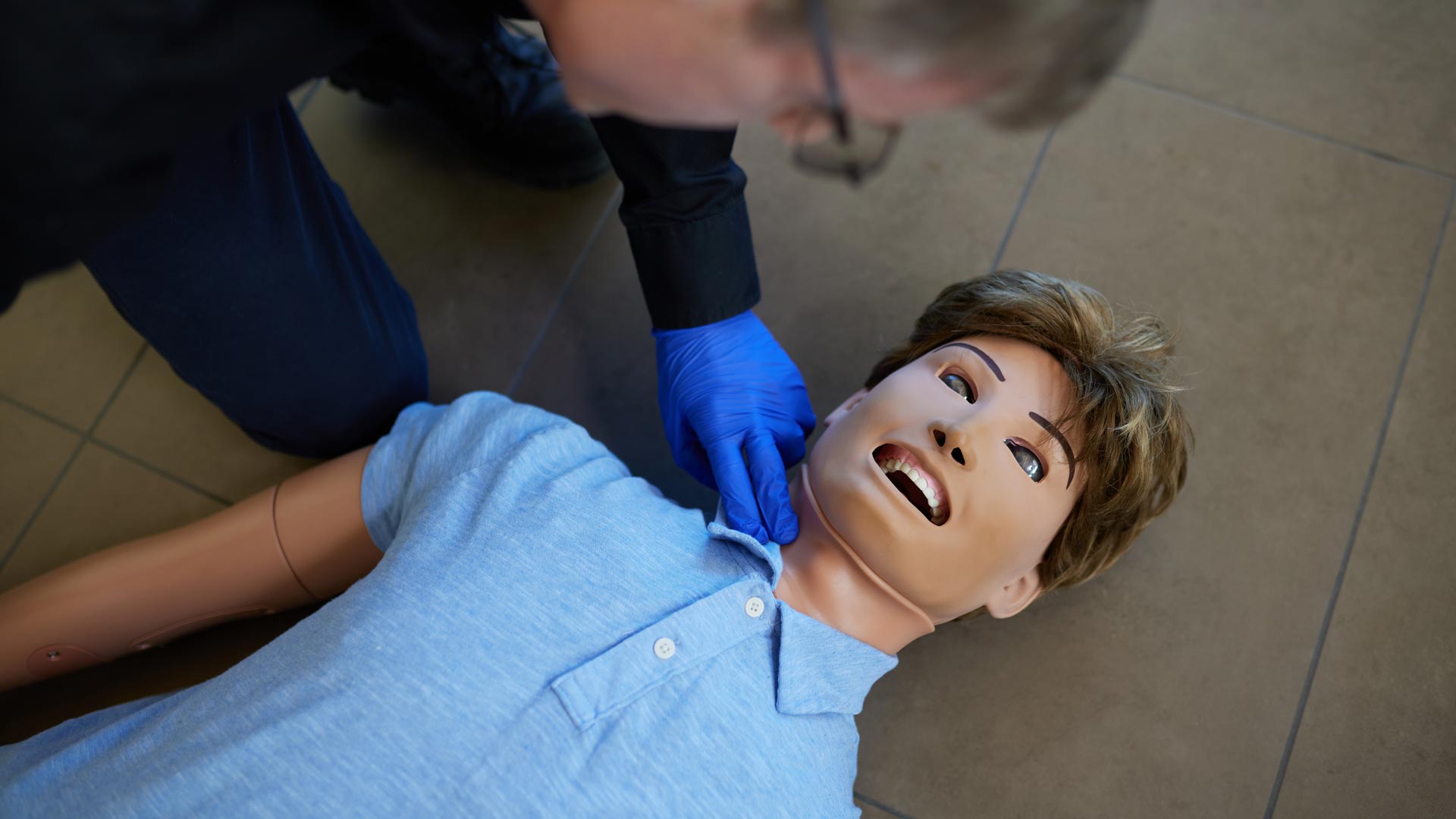
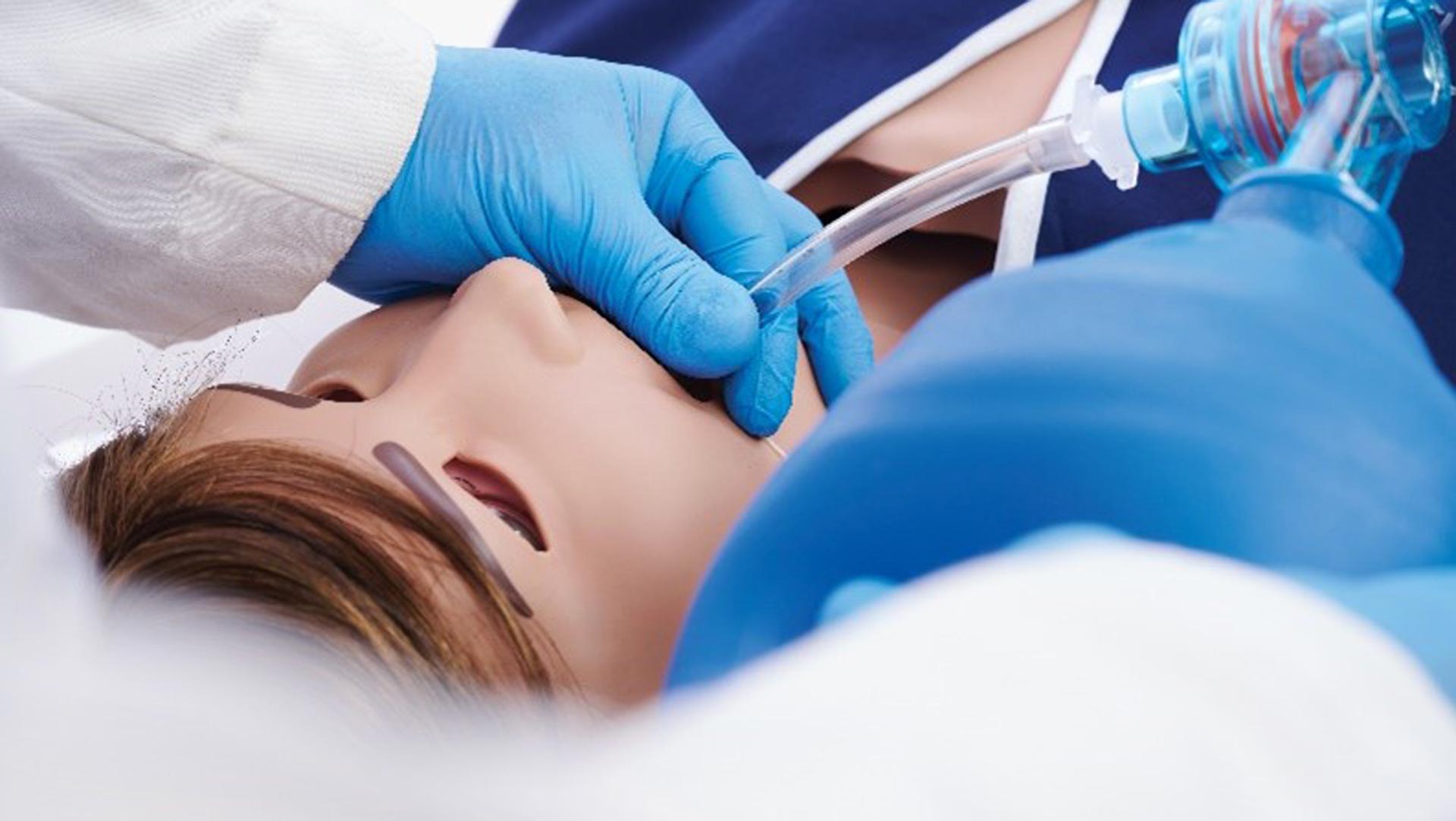
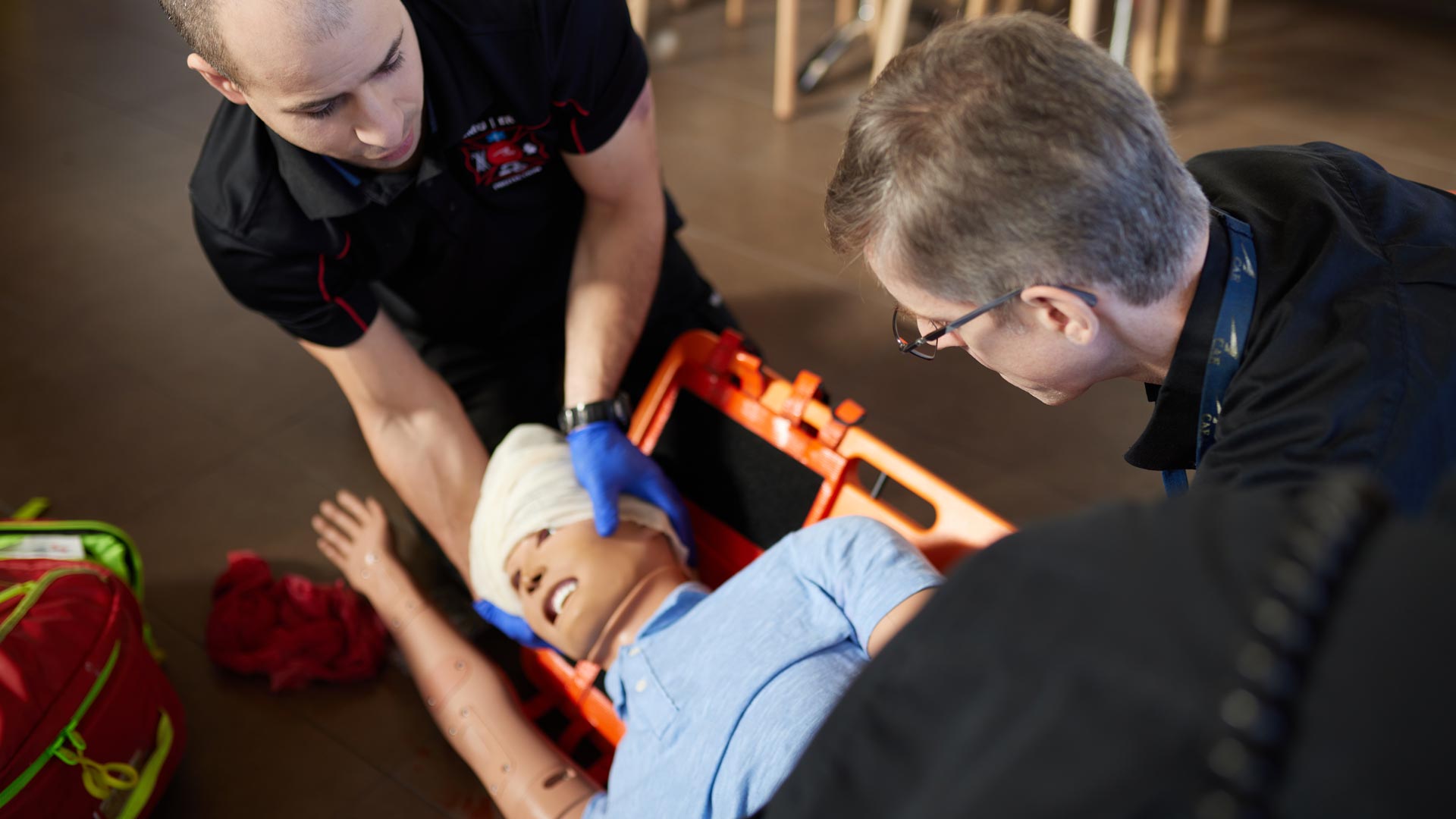
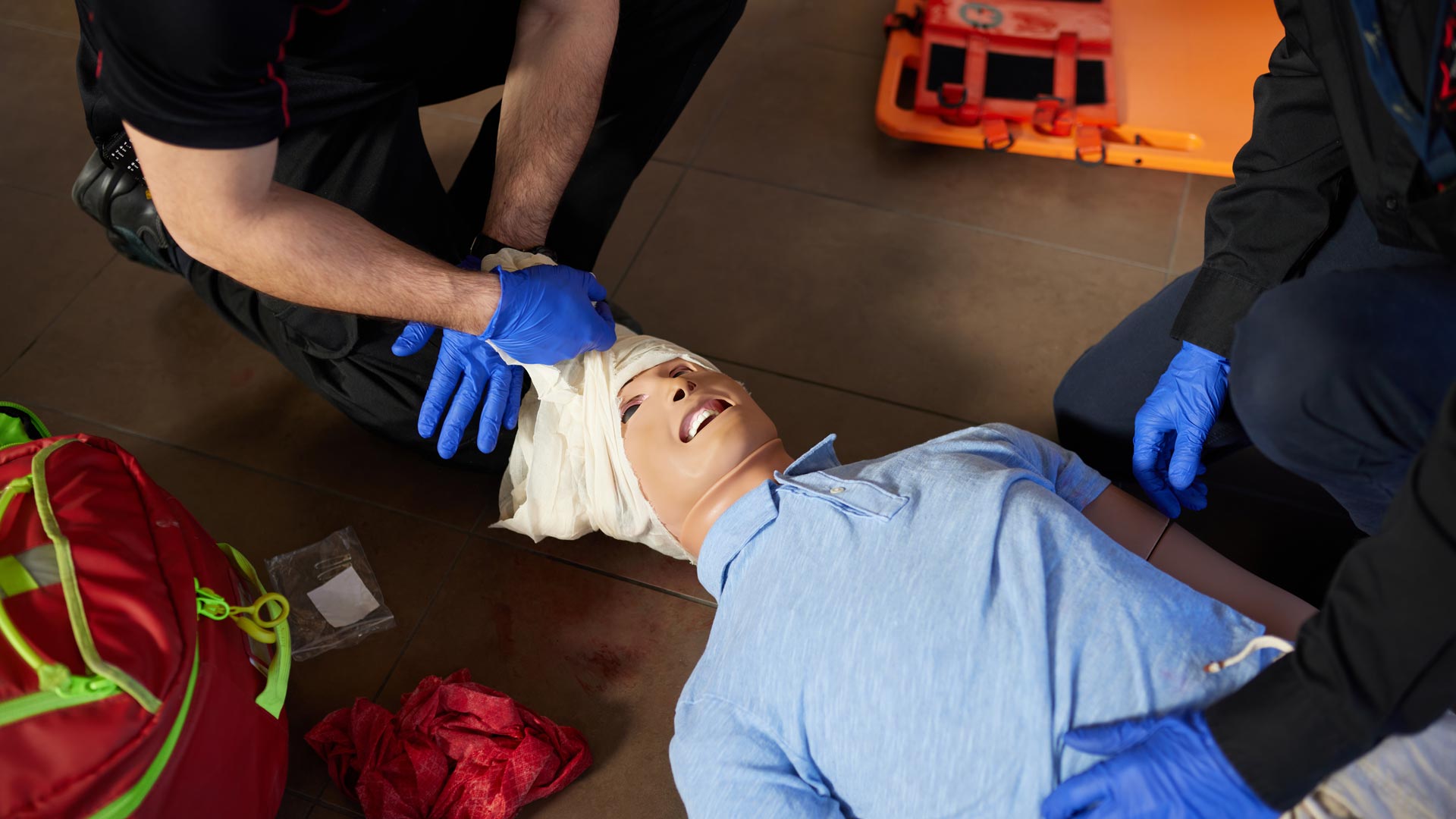
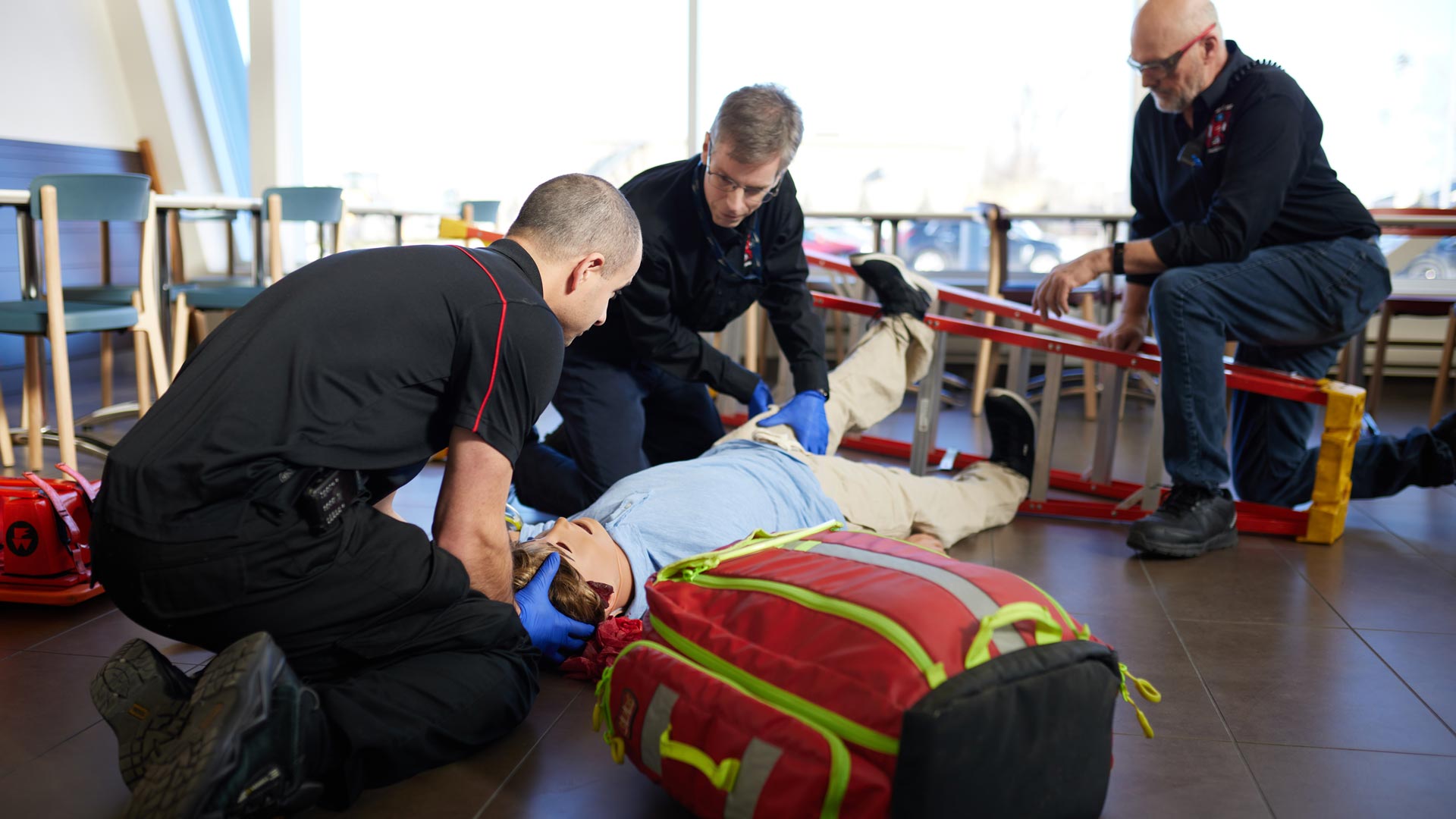
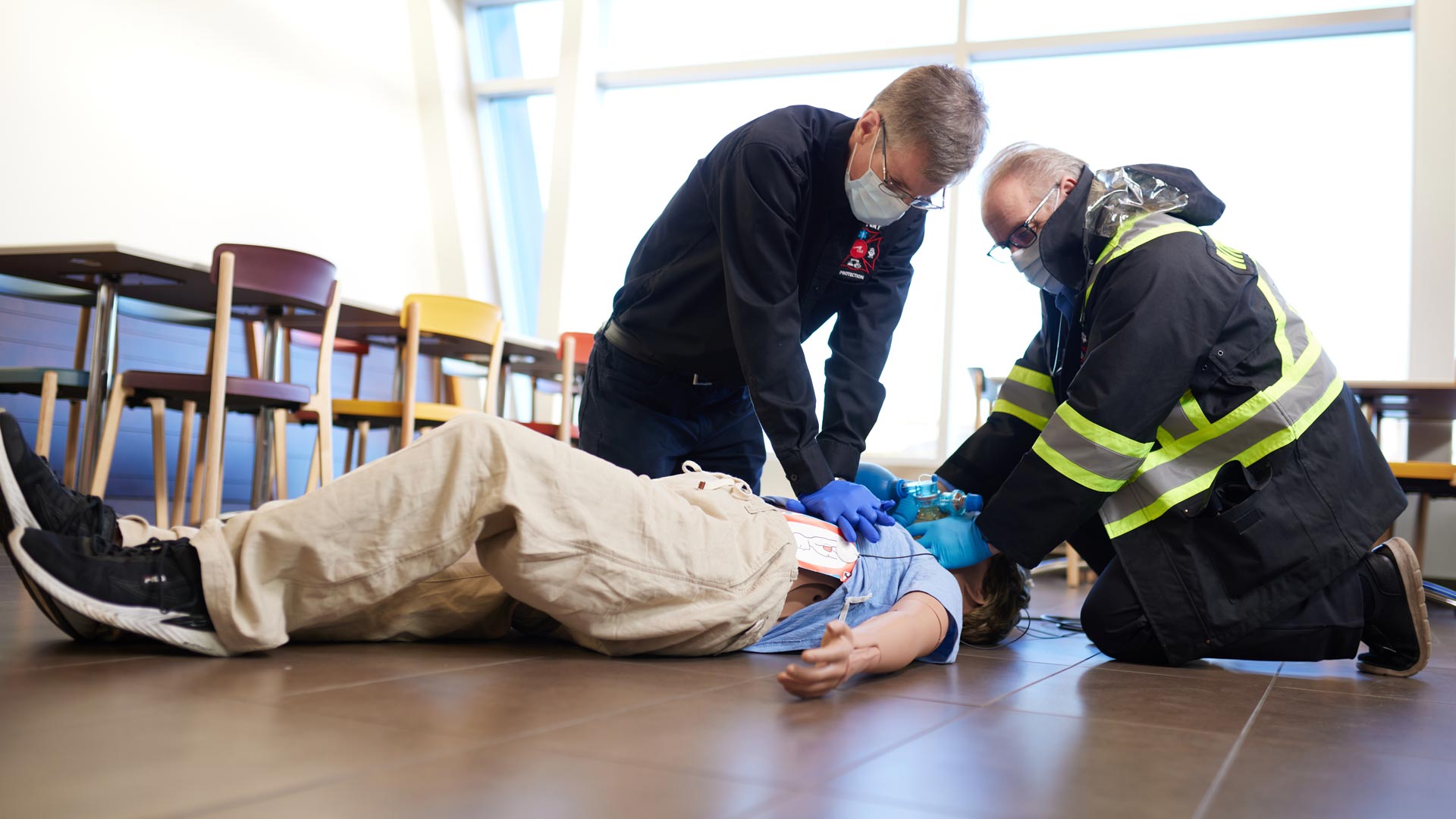
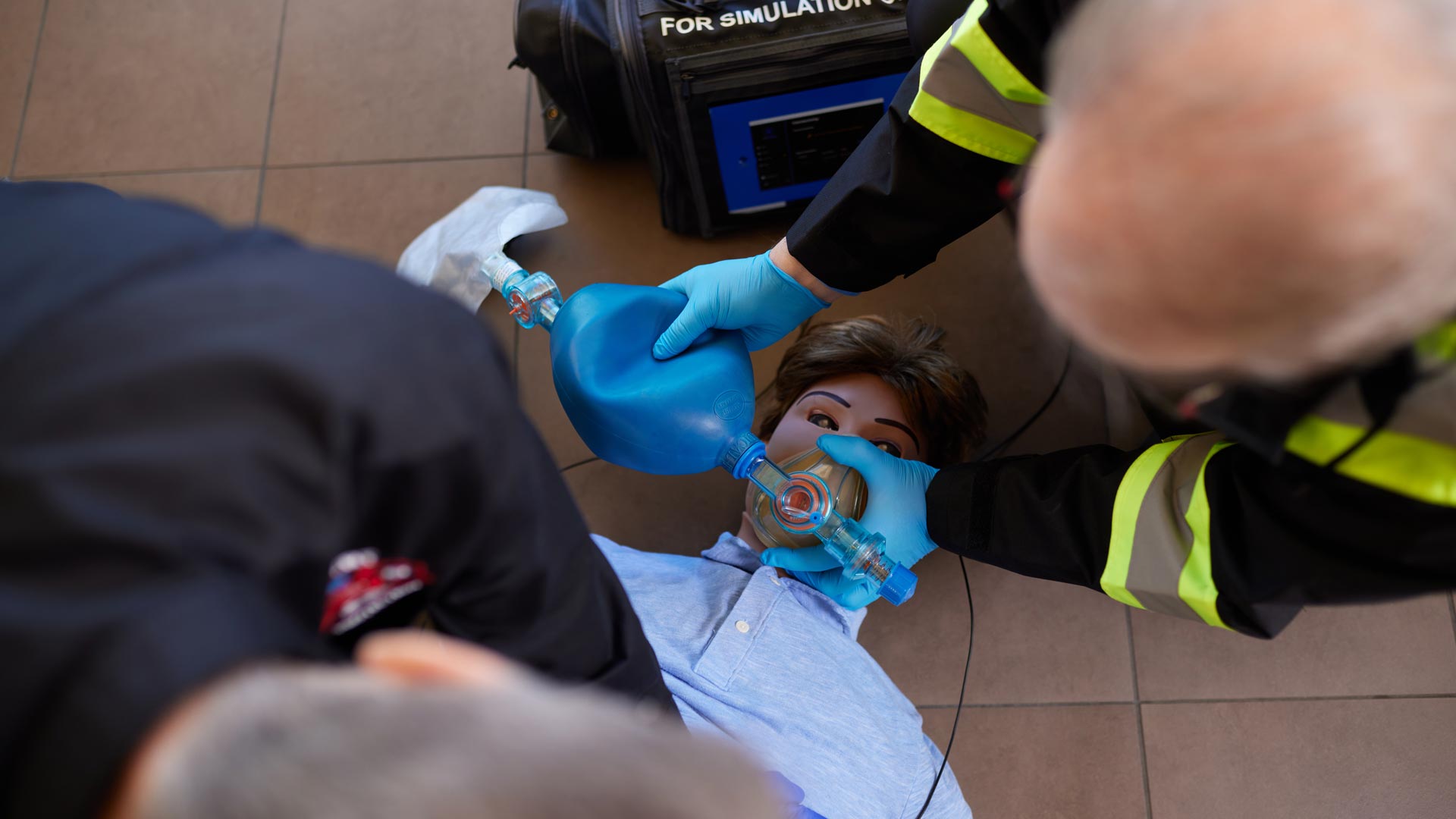
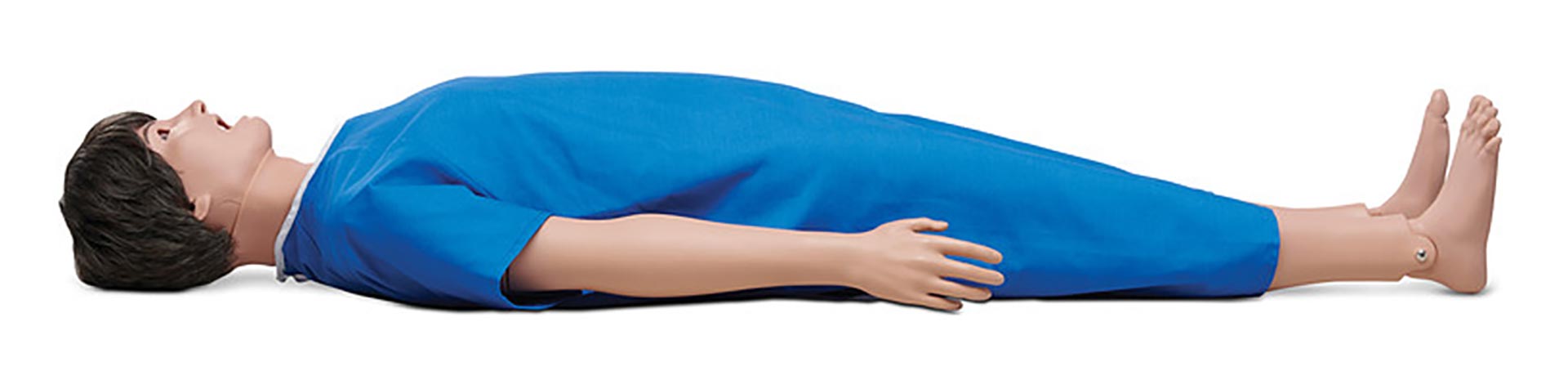
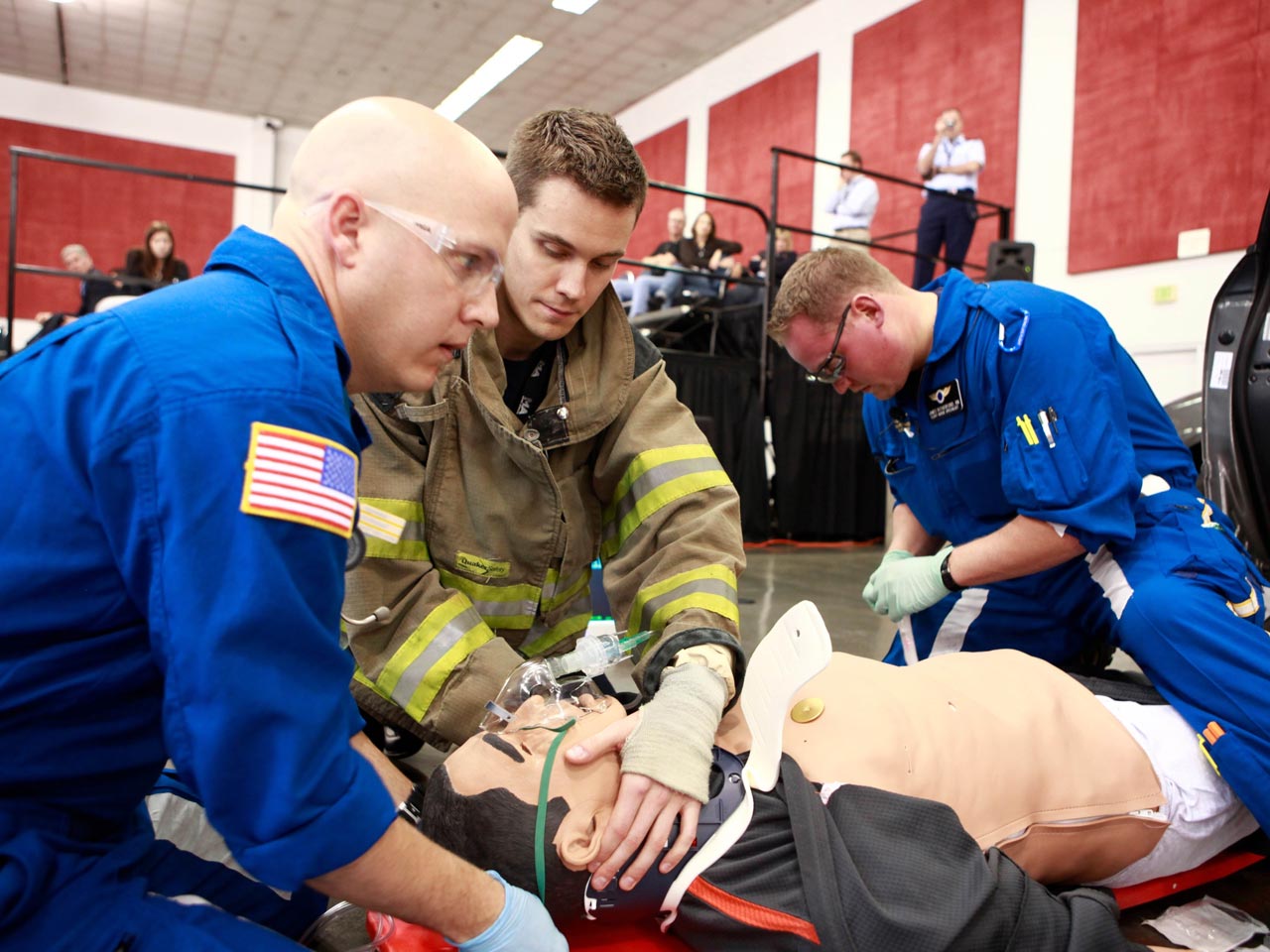
Save time and money with Ares, our cost-effective emergency care simulator designed for nursing programs, EMT educators, and trauma teams who need reliable training that delivers results. Learners can practice essential airway management, breathing assessment, and emergency medications while experiencing dynamic feedback that builds real confidence.
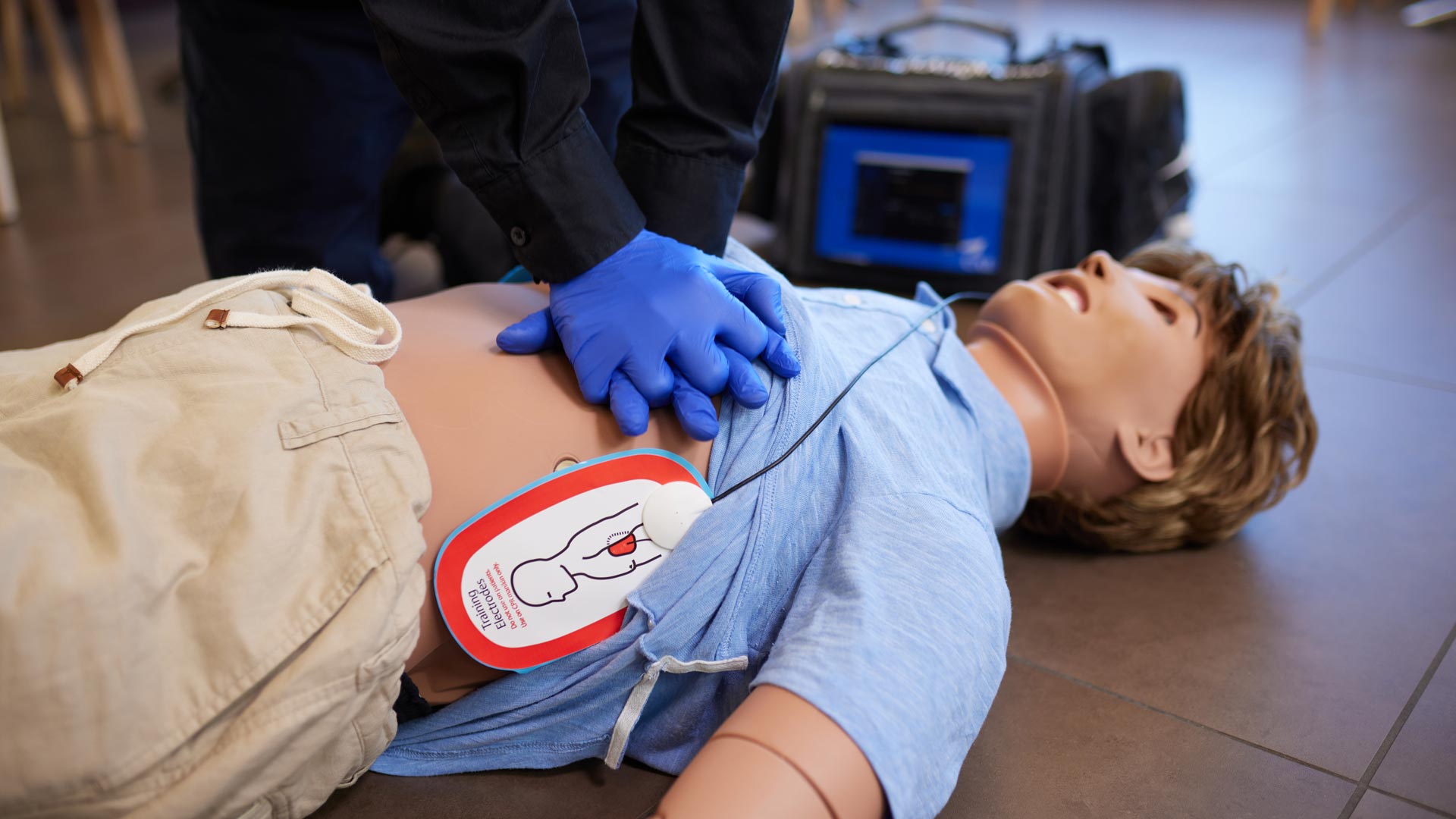
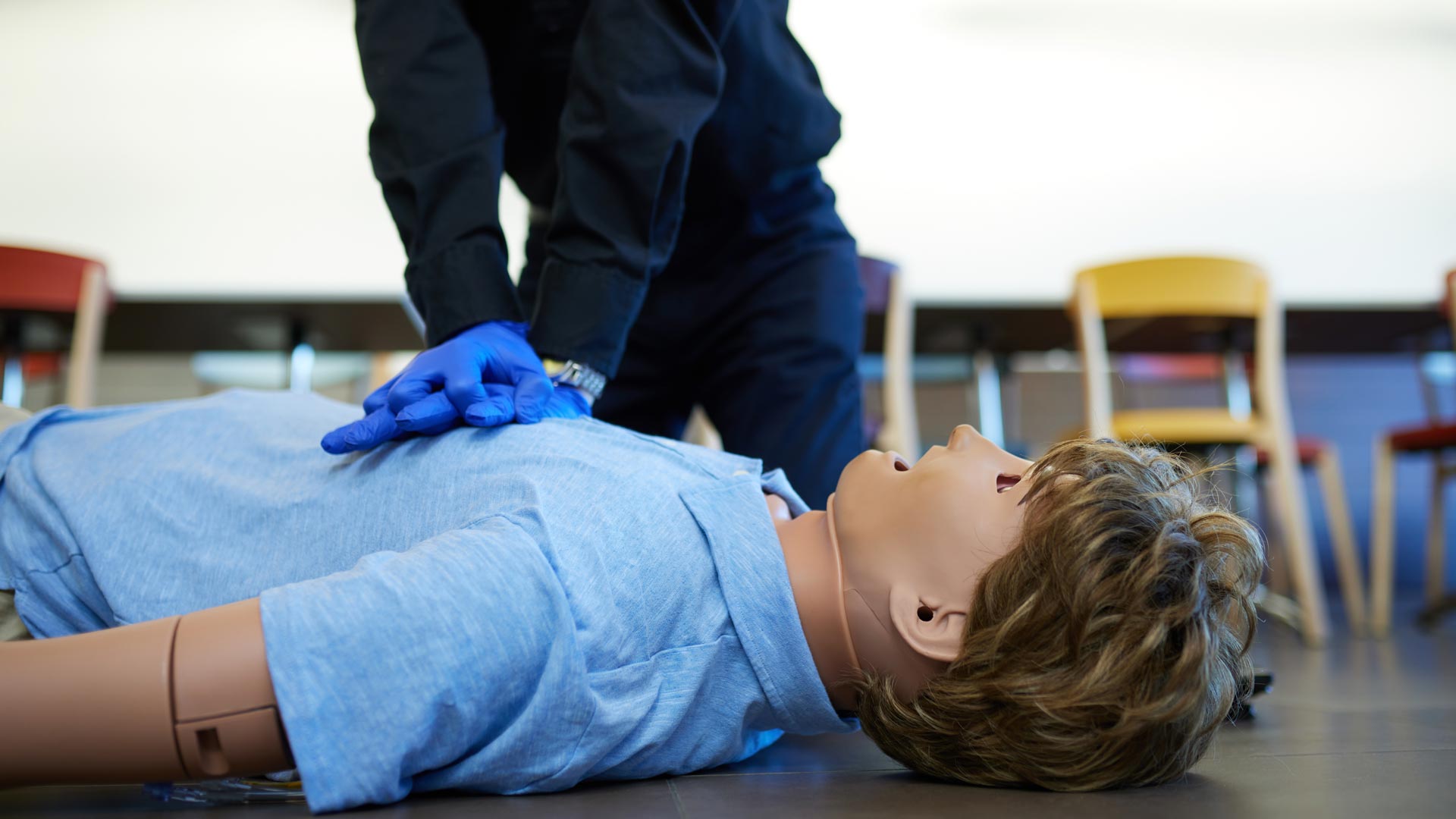
Ares integrates advanced training capabilities seamlessly into everyday curriculum. SymEyes technology enables patient condition assessment, while built-in CPR performance tracking ensures students master ALS and ACLS protocols. Combined with Maestro simulation software and two-way communication, these features create training experiences that translate directly to improved patient care.
"“Elevate Healthcare have many products that are available to meet the users where they're at, whether it is a low fidelity trainer or a mid-fidelity with some physiology, or a high-fidelity bit of equipment.” "
- - Dr. Daniel Ortiz, Associate Dean of Nursing and Allied Health
Why Choose Ares
Cost-Effective Solution
Durable construction reduces replacement and maintenance expenses
Flexible financing and service plan options
High training volume capacity supports program scalability
Proven Emergency Protocols
AHA and ERC compliant CPR training capabilities
ACLS and ALS protocol support
Evidence-based emergency care scenario library
Real equipment integration for authentic training experiences
Operational Reliability
Simplified setup and operation procedures
Comprehensive technical support and service options
See how Ares delivers realistic emergency care training capabilities.
Eyes
Alter the appearance of eyelids, pupils and sclera with SymEyes for diagnostic training
Head
Bilateral carotid pulses paired with modeled physiology for cardiovascular assessment
Chest
Spontaneous breathing with visible chest rise and fall during bag-valve-mask ventilation
Abdomen
Chest compressions compliant with AHA and ERC guidelines for resuscitation training
Lower Chest
Auscultate normal and abnormal heart, lung and bowel sounds for patient assessment
Wrists
Palpate bilateral brachial and radial pulses for circulatory evaluation
Knees
Realistic articulation at hips, knees, ankles, and shoulders for patient positioning
Eyes
Head
Chest
Abdomen
Lower Chest
Wrists
Knees
Experience Ares in an On-Demand Virtual Demo
Ares Virtual Demo
Explore Ares' emergency care capabilities, including SymEyes technology, two-way communication, advanced CPR performance analysis, and realistic emergency response training. See how Maestro software enables dynamic scenario management and real-time performance feedback for effective emergency care education.
| Step | What to Do | Quick Tip | |------|------------|-----------| | | Identify what you throw away most (e.g., soda cans, pizza boxes). | Keep a “waste diary” for one week; note each item’s material. | | E – Educate | Learn local recycling rules (some cities accept glass, others don’t). | Bookmark your city’s waste‑management site on your phone. | | A – Arrange | Set up convenient collection points (e.g., a labelled bin on the kitchen counter). | Use a dual‑compartment bin: one side for recyclables, one for trash. | | S – Systematize | Turn recycling into a routine (e.g., “clean & sort before dinner”). | Pair the habit with a daily cue—like brushing teeth. | | O – Optimize | Look for upgrades (e.g., reusable containers, bulk buying). | Replace single‑use plastic wrap with silicone lids. | | N – Nurture | Teach the habit to kids or roommates; celebrate milestones. | Host a “recycling challenge” with small rewards. |
Published: April 2026 TL;DR: Recycling cuts greenhouse‑gas emissions, conserves natural resources, saves money, creates jobs, and reduces pollution. By tweaking a few everyday habits and taking advantage of community programs, you can amplify the impact of every bottle, can, and piece of cardboard you toss in the bin. 1. The Numbers Speak for Themselves | Material | Energy Saved vs. Virgin Production | CO₂ Saved (per ton) | Typical Household Savings (U.S.) | |----------|------------------------------------|--------------------|----------------------------------| | Aluminum cans | 95 % | 9 t | $5–$8 on utility bills | | PET plastic bottles | 60 % | 1.5 t | $3–$5 on water‑filter maintenance | | Cardboard & paper | 40 % | 1 t | $2–$4 on trash fees | | Glass (clear) | 30 % | 0.3 t | $1–$2 on landfill fees | | Step | What to Do | Quick
Virtual Demos On-Demand
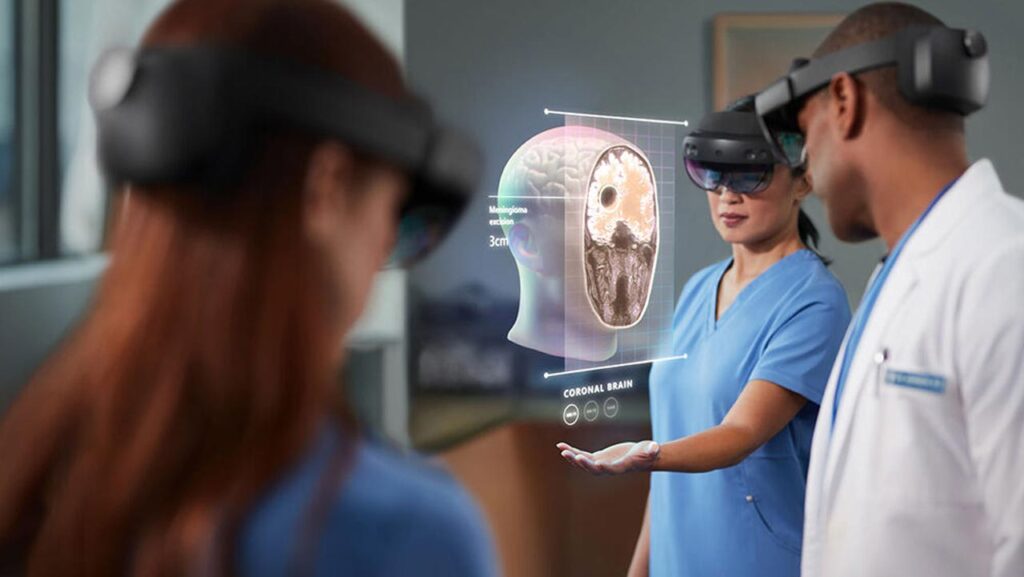
They’re designed to help you envision how the right tools can support your goals and integrate seamlessly into your program.