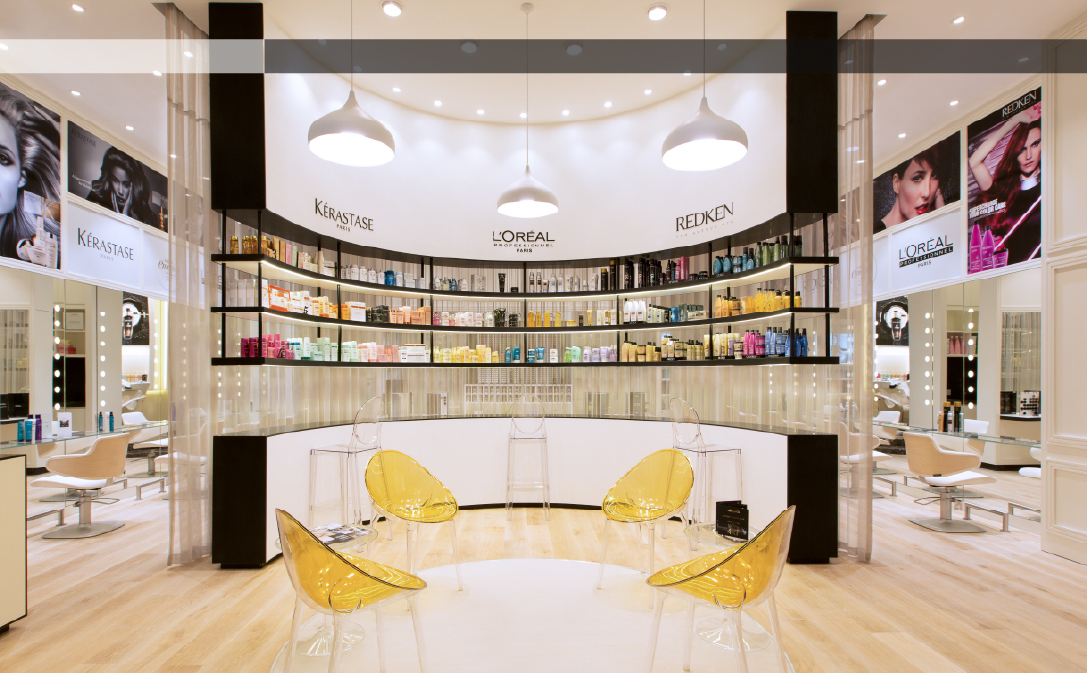

Founded in 1999, Belle Femme Beauty Salon is a name synonymous with luxury, innovation, and excellence in the beauty industry. For over two and half decades, we have been the ultimate destination for women seeking bespoke beauty experiences tailored to their desires.
Renowned for our signature treatments, we offer a comprehensive range of services, from hair treatments and extensions to Moroccan baths, body sculpting massages, skincare, makeup, and nail care. With a strong focus on luxury, comfort, and hygiene, our brand has expanded to include:
Whether you need a facial at home, a quick manicure, a hair transformation, or a rejuvenating spa session, Belle Femme is your answer. Our exclusive network also provides access to high-end hair products, accessories, makeup, lip liners, eyelash extensions, and microblading services.
Pi is a film that is rich in themes and symbolism. One of the primary themes of the movie is the search for meaning and order in a chaotic world. Max’s obsession with uncovering the underlying patterns and codes of the universe is a metaphor for the human desire to understand and control the world around us.
The film also explores the theme of obsession and the dangers of becoming too focused on a single goal. Max’s fixation on the 216-digit number ultimately leads to his downfall, as he becomes increasingly isolated and detached from reality.
Pi was a critical and commercial success upon its release in 1998. The film received widespread critical acclaim for its innovative visuals, tight direction, and thought-provoking themes.
The visuals and cinematography in Pi are a key element of the film’s success. Aronofsky worked with cinematographer Matthew Libatique to create a distinctive and unsettling visual style that reflects Max’s growing paranoia and obsession.
One day, Max discovers a mysterious 216-digit number that he believes holds the key to understanding the universe. As he becomes more and more obsessed with the number, he begins to experience strange and terrifying occurrences that blur the lines between reality and paranoia.
The cast of Pi is relatively small, with Sean Gullette playing the lead role of Max. Gullette’s performance is intense and convincing, capturing the character’s growing obsession and paranoia.
The film features a range of innovative camera techniques, including rapid cuts, handheld shots, and extreme close-ups. The use of black and white cinematography adds to the film’s sense of grit and realism, while the rapid editing creates a sense of urgency and tension.


Pi is a film that is rich in themes and symbolism. One of the primary themes of the movie is the search for meaning and order in a chaotic world. Max’s obsession with uncovering the underlying patterns and codes of the universe is a metaphor for the human desire to understand and control the world around us.
The film also explores the theme of obsession and the dangers of becoming too focused on a single goal. Max’s fixation on the 216-digit number ultimately leads to his downfall, as he becomes increasingly isolated and detached from reality.
Pi was a critical and commercial success upon its release in 1998. The film received widespread critical acclaim for its innovative visuals, tight direction, and thought-provoking themes.
The visuals and cinematography in Pi are a key element of the film’s success. Aronofsky worked with cinematographer Matthew Libatique to create a distinctive and unsettling visual style that reflects Max’s growing paranoia and obsession.
One day, Max discovers a mysterious 216-digit number that he believes holds the key to understanding the universe. As he becomes more and more obsessed with the number, he begins to experience strange and terrifying occurrences that blur the lines between reality and paranoia.
The cast of Pi is relatively small, with Sean Gullette playing the lead role of Max. Gullette’s performance is intense and convincing, capturing the character’s growing obsession and paranoia.
The film features a range of innovative camera techniques, including rapid cuts, handheld shots, and extreme close-ups. The use of black and white cinematography adds to the film’s sense of grit and realism, while the rapid editing creates a sense of urgency and tension.


